Address
No. 5-1, Jalan Seksyen 3/5, Taman Kajang Utama, 43000 Kajang, Selangor, Malaysia.
Phone
+603-8741 3878
+6019-867 8070
+6019-772 5297
Email
sales@vibrantecho.com
Address
No. 5-1, Jalan Seksyen 3/5, Taman Kajang Utama, 43000 Kajang, Selangor, Malaysia.
Phone
+603-8741 3878
+6019-867 8070
+6019-772 5297
Email
sales@vibrantecho.com


 Byadminve
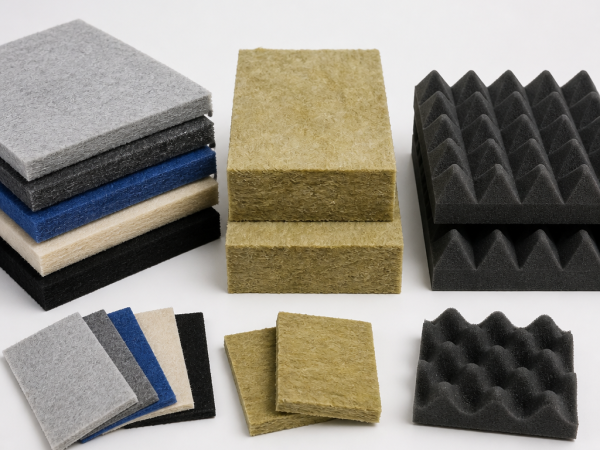
When it comes to improving room acoustics, choosing the right sound-absorbing material can make a significant difference. Three of the most common options are Polyester Felt, Rockwool, and Acoustic Foam. While all three help reduce noise and improve sound quality, each material offers unique advantages depending on the application.
In this guide, Vibrant Echo compares these acoustic solutions to help you determine which one best suits your project.
Feature | Polyester Felt | Rockwool | Acoustic Foam |
Sound Absorption (NRC) | High | Very High | Moderate to High |
Fire Resistance | Available in fire-rated options | Excellent | Varies by product |
Durability | 15+ years | Long-lasting when kept dry | Typically 3–5 years |
Moisture Resistance | Excellent | Performance may decrease if exposed to moisture | Less suitable for humid environments |
Appearance | Modern and decorative | Requires fabric or panel covering | Best suited for studios |
Eco-Friendly | Recyclable | Limited recyclability | Generally non-recyclable |
Long-Term Value | Excellent | High | Lower due to shorter lifespan |
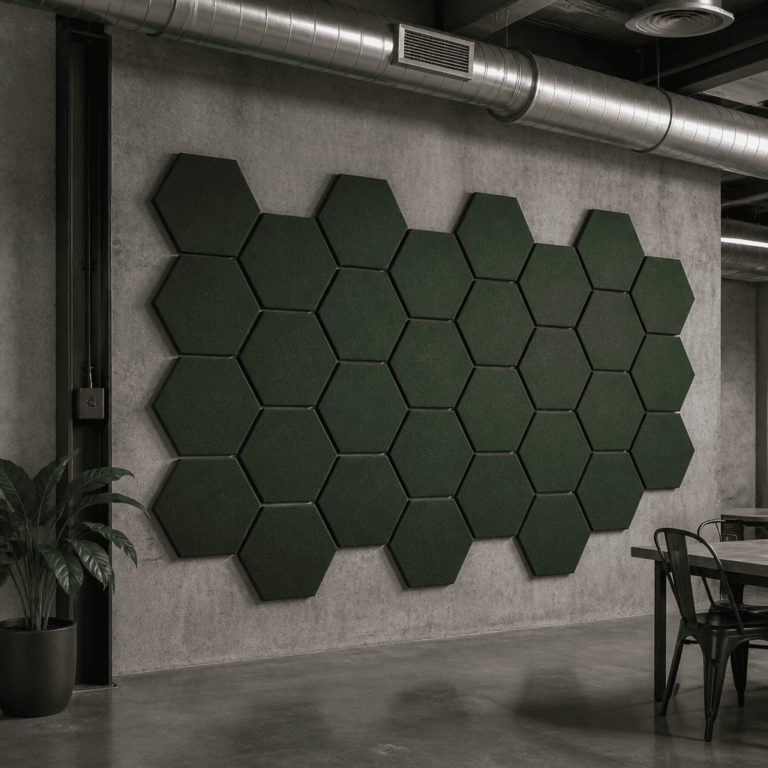
Polyester Felt has become one of the most popular acoustic materials for modern commercial and residential interiors. Its advantages include:
Because of its versatility, Polyester Felt is widely used in offices, meeting rooms, restaurants, educational institutions, hotels, and public spaces.
Rockwool is widely recognized for its outstanding acoustic and thermal insulation properties. It is commonly used in:
One of Rockwool’s biggest strengths is its ability to absorb low-frequency sound. It also offers exceptional fire resistance, making it suitable for projects that require strict fire safety compliance.
However, since Rockwool is a fibrous insulation material, it is usually installed behind acoustic panels or fabric rather than being left exposed.
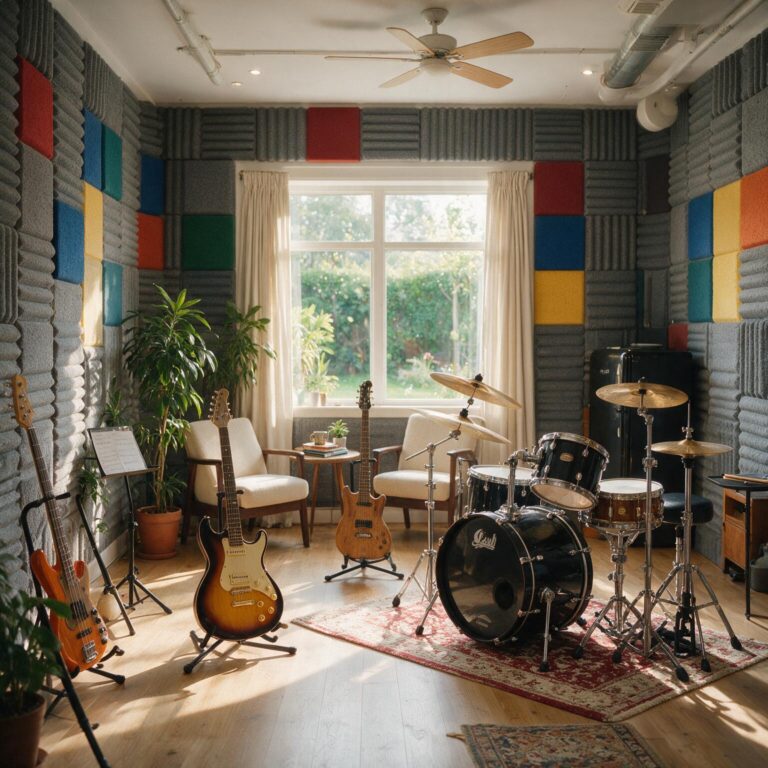
Acoustic Foam remains a popular choice due to its affordability and ease of installation. It is commonly used in:
While Acoustic Foam effectively reduces echo and reverberation, it also has some limitations:
For smaller projects or budget-conscious installations, Acoustic Foam can still be an effective solution.
Beyond acoustic performance, fire safety should always be considered when selecting acoustic materials. Before purchasing, check whether the product provides:
This is particularly important for commercial buildings, offices, schools, hotels, and public facilities.
The initial purchase price is only one part of the investment. Long-term value should also include:
Generally:
There is no one-size-fits-all solution when it comes to acoustic treatment.
Polyester Felt is an excellent all-around option, combining strong acoustic performance with modern aesthetics, durability, and easy installation. Rockwool remains the preferred choice for high-performance acoustic insulation and fire-rated applications, while Acoustic Foam continues to be a practical solution for home studios and smaller recording environments.
At Vibrant Echo, we help businesses, designers, and homeowners select the right acoustic solution based on their space, performance requirements, and budget. Whether you’re designing an office, educational facility, hospitality venue, or recording studio, choosing the right acoustic material is the first step toward creating a quieter, more comfortable environment.